
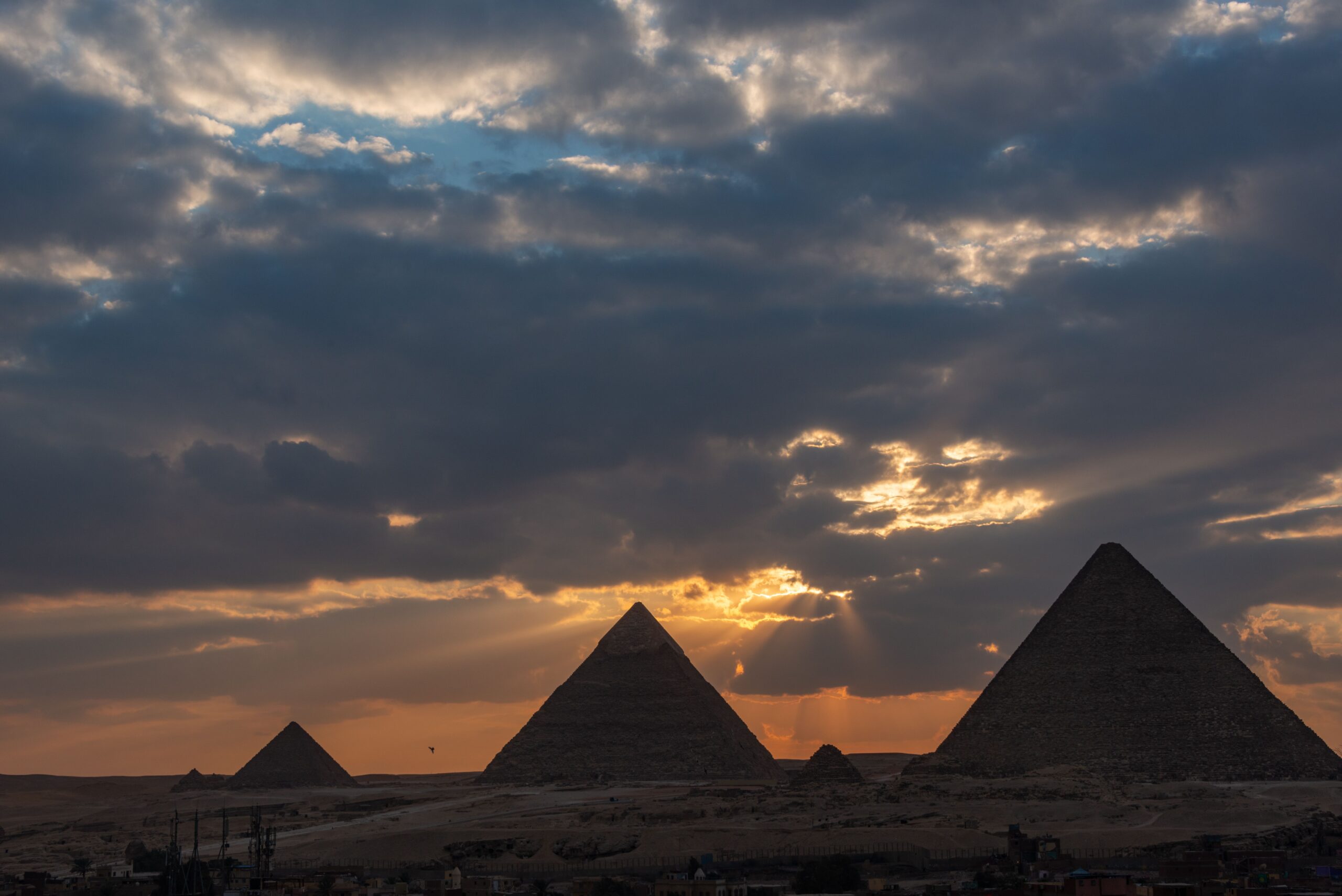
LSD in Giza
A Brief History of LSD in Giza
Giza is famous for the pyramids, the Sphinx, and thousands of years of recorded history. Yet some travelers search to buy LSD in Giza, expecting a psychedelic past. In reality, there is no documented LSD scene here.
LSD itself is a modern compound. Swiss chemist Albert Hofmann first synthesized it in 1938 and discovered its effects in 1943. In the 1960s, it became a symbol of Western counterculture. Later, budget travelers carried those ideas along backpacker routes around the world. As a result, talk of psychedelics in Giza usually echoes that global story rather than any local tradition.
LSD in Giza Myths and Facts
Several myths circulate online. Here are the most common ones.
Myth: Ancient Egyptians used LSD.
Fact: LSD did not exist until the twentieth century. Some scholars debate whether ancient Egyptians used other plant-based substances, but the evidence is limited and contested.
Myth: Tourists can use it safely if they are careful.
Fact: LSD in Egypt is a controlled substance. Possession or supply can bring heavy fines and long prison terms, and visitors receive no exemption.
Myth: It is harmless because it is not addictive.
Fact: LSD can cause severe anxiety, panic, and disorientation. It can also interact with medications such as lithium and some antidepressants.
Social and Cultural Implications of LSD in Giza
Giza’s economy depends on tourism, guides, camel handlers, and family-run businesses. A reputation for drug activity could damage the trust that these communities have built with visitors.
Cultural attitudes also matter. Egyptian society takes a strict view of illegal drugs, and public opinion strongly supports enforcement. Travelers who ignore this risk offending the people who host them, as well as facing arrest.
Meanwhile, research into psychedelics for depression and PTSD continues elsewhere. That work happens in licensed labs with screened participants and trained staff. It has little in common with unregulated use on holiday.